

Ever wondered what really drives the world’s financial markets? Trading economic impacts everyone, from Wall Street moguls to everyday investors. It’s a game of numbers, trends, and sometimes, sheer luck. In this wild world of economic trading, understanding the fundamentals can make all the difference. Immerse, because the markets don’t wait for anyone, and a solid grasp of the basics is your best shot at success.
What Is Economic Trading?
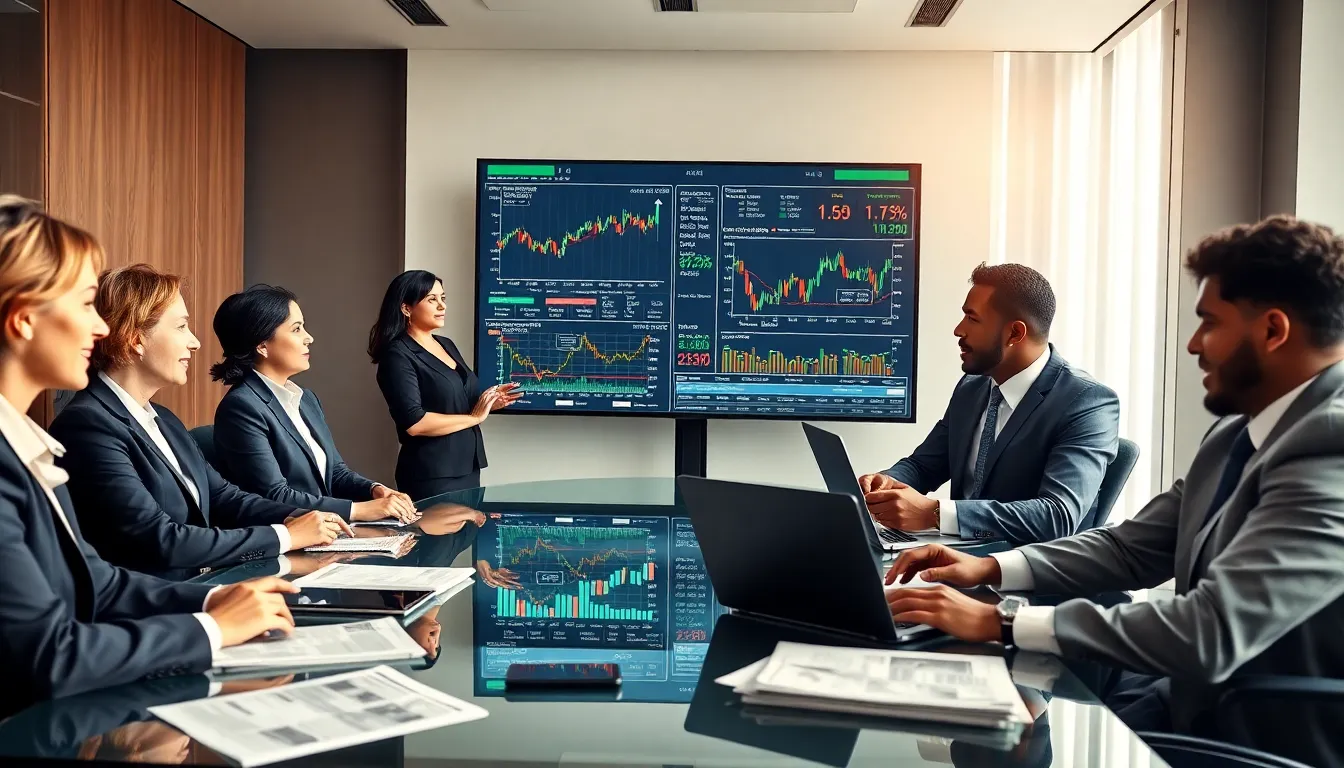
Economic trading refers to the exchange of assets or securities based on various economic factors. This can include stocks, currencies, commodities, or even bonds. Investors jump into economic trading to capitalize on fluctuations influenced by factors like inflation, unemployment rates, and interest rates. It requires a keen eye on global economic conditions, as these elements can sway market behaviors dramatically.
In essence, economic trading blends financial insights with a finger on the pulse of economic news. It’s not just about buying low and selling high. Traders analyze data, charts, and economic reports to make informed decisions. They anticipate how macroeconomic indicators will affect market performance, making strategic moves at the right moments.
The Importance of Economic Indicators
Economic indicators are vital for anyone serious about trading economics. These indicators act as signposts, guiding traders through the often tumultuous seas of the market. They inform about the health of an economy and provide critical insights.
- Leading Indicators: These suggest future economic activity. Think of them as the crystal ball for traders. Examples include stock market returns and consumer confidence indexes.
- Lagging Indicators: These indicators follow an event. The unemployment rate or inflation rate falls into this category. While they confirm trends, they can’t predict market changes.
- Coincident Indicators: These move in tandem with economic cycles. Metrics such as GDP and personal income fall into this category, revealing the current state of the economy.
Understanding which indicators to watch can mean the difference between a winning trade and a costly mistake. Investors who can read these signs often find themselves one step ahead of the curve.
Types of Economic Trading
Economic trading can take various forms, each with unique characteristics and strategies. Here are some popular types:
- Forex Trading: This involves trading various currencies. Traders buy one currency while simultaneously selling another, speculating on the exchange rate movements.
- Commodity Trading: Here, investors buy and sell physical goods like oil, gold, or agricultural products. Prices are influenced by supply and demand dynamics, geopolitical events, and weather conditions.
- Stock Trading: Traders buy and sell shares of companies. Economic statistics, corporate earnings, and industry trends play significant roles in stock prices.
- Bond Trading: This involves buying and selling government or corporate bonds. Interest rates and economic conditions greatly influence bond prices.
Each type of trading caters to different risk appetites and investment goals, making it crucial for traders to identify which aligns with their strategies.
Strategies for Successful Economic Trading
Successful economic trading requires more than just gut feelings. Here are key strategies to keep in mind:
- Research and Analysis: Before diving into any market, thorough research is paramount. Analyze economic reports, monitor market trends, and read news updates to stay informed.
- Risk Management: Setting stop-loss orders is essential to protect investments. Traders should never risk more than they can afford to lose.
- Diversification: Spreading investments across various asset types can help mitigate risks. A well-diversified portfolio balances potential losses.
- Stay Objective: Emotional trading can lead to impulsive decisions. Keeping a cool head while executing trades can significantly enhance success rates.
Risks Involved in Economic Trading
Every opportunity comes with risks, and economic trading is no exception. Understanding these risks is crucial:
- Market Volatility: Prices can swing wildly due to economic news, making markets unpredictable. Traders must be prepared for sudden changes.
- Leverage Risks: While leverage can amplify gains, it also increases potential losses. Understanding how to use leverage responsibly is vital.
- Global Events: Political instability, natural disasters, and unexpected economic reports can heavily impact markets. Keeping track of global events is essential for traders.
- Psychological Risks: Fear and greed can cloud judgment, leading to poor trading decisions. Maintaining emotional discipline can mitigate this risk.
Future Trends in Economic Trading
The world of economic trading is ever-evolving. Here are some emerging trends that traders should watch:
- Rise of Technology: Trading platforms are continually advancing with the integration of AI and machine learning, offering traders sophisticated tools for analysis.
- Increased Volatility: Economic uncertainty may lead to higher market volatility, prompting traders to adapt their strategies.
- Sustainable Investing: As society grows more eco-conscious, sustainable investing is becoming more popular. Traders are increasingly considering environmental, social, and governance (ESG) factors.
- Global Interconnectivity: With globalization on the rise, economic events in one part of the world can quickly affect markets elsewhere, highlighting the need for traders to stay informed on international developments.


